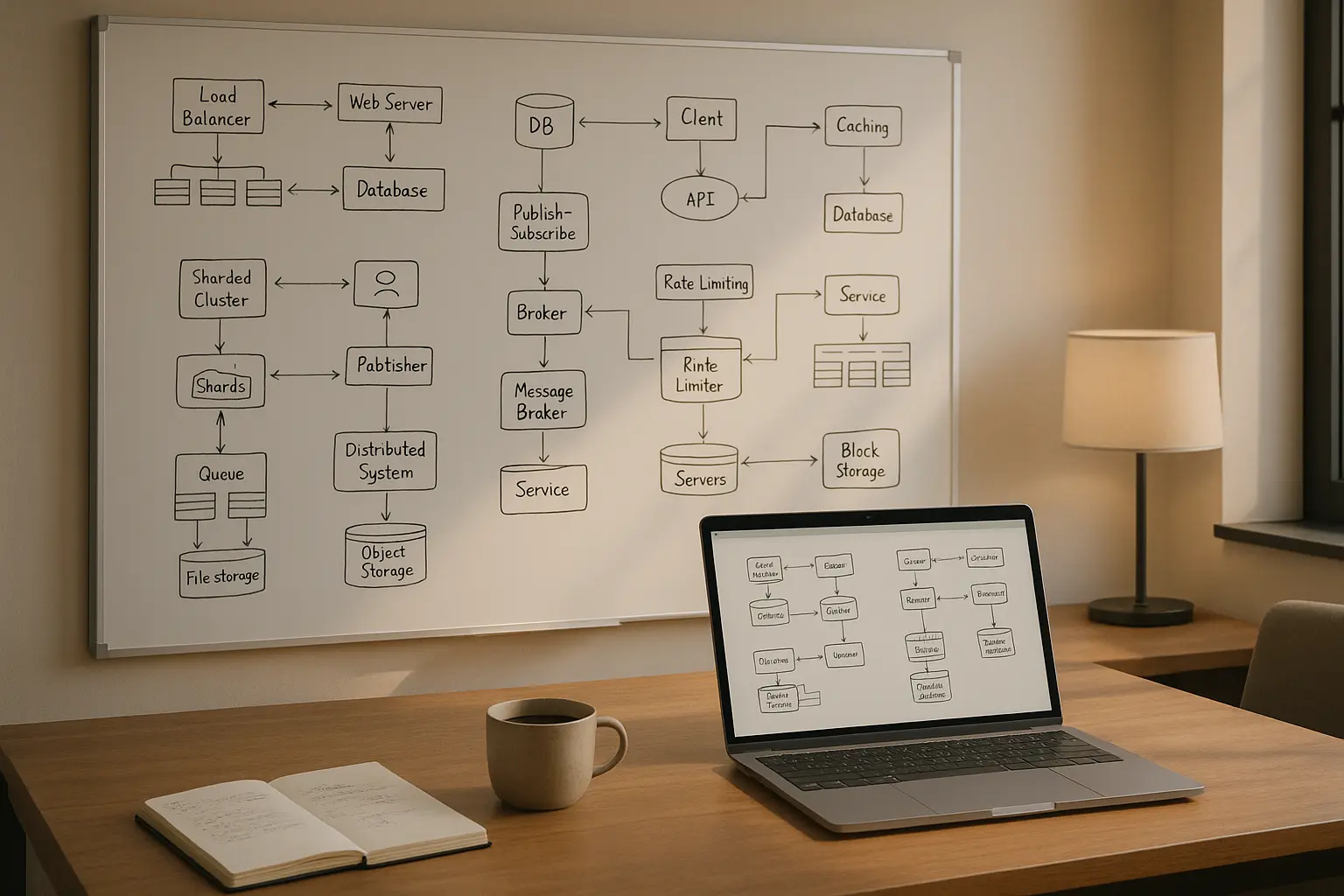
Engineering Approach in IT Projects: Why Architecture Matters More Than Design
Modern IT development for business often starts with visual concepts and user interface design. Companies try to present a prototype as quickly as possible, investing in design and marketing, but overlook a critical element — system architecture. As a result, the product looks modern but cannot handle high load, works slowly, and requires constant improvements.
An engineering approach follows the opposite logic: architecture first, design second. Architectural decisions determine system stability, scalability, security, and long-term maintenance costs.
Why architecture is critical for business
Architecture directly affects key business metrics:
- System performance and speed
- Stability as the number of users grows
- Ability to integrate with CRM, ERP, and external services
- Speed of launching new features
- Infrastructure and maintenance costs
Without proper architectural planning, companies face limitations within 6–12 months after launch: the system cannot scale, each new feature takes weeks to implement, and the budget starts growing faster than the business.
What the engineering approach includes
Professional custom software development begins with analysis and system design:
- Business process and product goal analysis
- Load scenario planning
- Architecture design (monolith, microservices, or hybrid)
- Database structure modeling
- API and integration planning
- Security and fault-tolerance design
- Technical documentation and roadmap creation
Only after this stage do UX/UI design and interface development begin.
Development stages with an architectural focus
- Discovery — requirements and business analysis
- System Design — architecture, interaction schemes, technology selection
- Development — backend, frontend, APIs
- DevOps — infrastructure setup, CI/CD
- Testing — functional and load testing
- Release and support
Why IT projects fail
- Focus on design instead of system logic
- Lack of an architecture phase
- Incorrect technology choices
- Ignoring future load growth
- Absence of DevOps processes
- Accumulation of technical debt
In most cases, the system has to be rewritten within 1–2 years, increasing the budget by 2–3 times.
Technologies for scalable IT solutions
- Node.js — high-performance backend for APIs and services
- React — fast and user-friendly interfaces
- PostgreSQL — reliable data management
- Docker — containerization and environment stability
- Kubernetes — automatic scaling and fault tolerance
This stack enables systems to operate reliably under high load and scale easily as your business grows.
Experience and results
- 50+ completed IT projects
- Up to 40% budget savings through architectural planning
- 99.9% production uptime
- Systems handling 100,000+ users
- Up to 30% faster development thanks to an engineering approach
Development cost: how architecture reduces expenses
- Minimal rework
- Predictable timelines
- Optimized infrastructure
- Lower maintenance costs
- No critical technical debt
In the long term, a systematic approach saves up to 20–40% of the budget.
Why choose us
- Engineering approach to every project
- Experience in B2B systems and corporate platforms
- Full-cycle development: from idea to support
- Expertise in high-load and cloud solutions
- Transparent timelines and cost estimation
Quick preliminary project assessment within 24 hours