Author: admin

  • Industrial Automation and IT Systems: Implementation and Operational Experience

    Industrial Automation and IT Systems: Implementation and Operational Experience

    Industrial automation is increasingly viewed as an IT task. However, unlike corporate systems, the cost of failure here is significantly higher — production downtime, process disruption, or equipment damage.

    At OneDev, we have worked with real industrial facilities and engineering infrastructure. In practice, such systems are not developed as typical software products, but as reliable digital environments that must operate continuously for many years.

    Below is a practical perspective on industrial automation from the standpoint of an IT team involved in real-world implementations.

    Industrial Automation in the IT Context

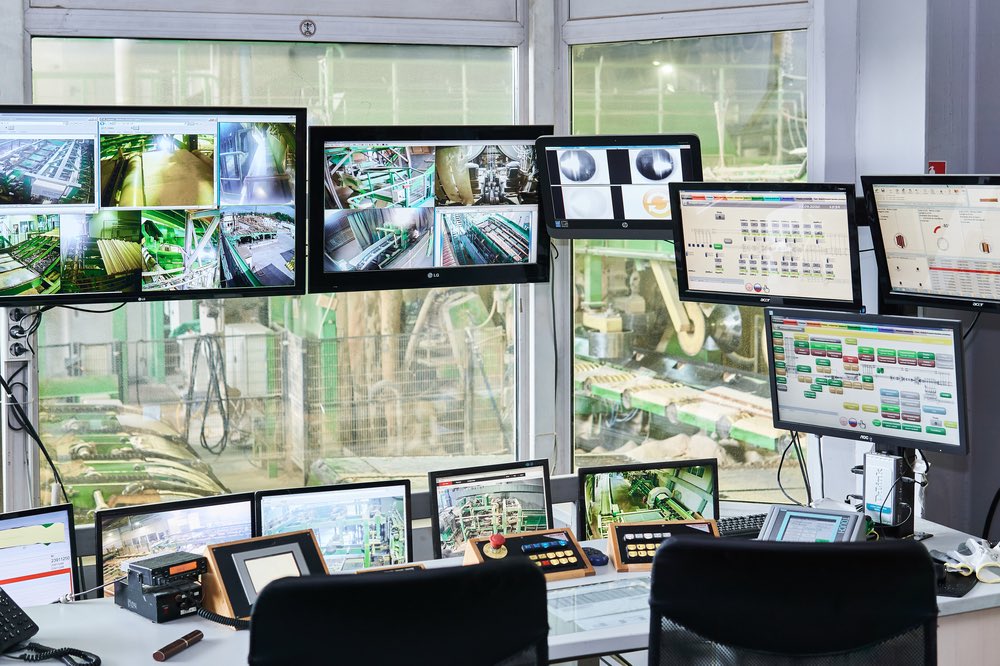
    Traditionally, automation is associated with controllers, sensors, and production lines. In the IT context, it means building a digital monitoring and control layer on top of physical equipment.

    The key functions of this layer include:

    • • collecting data from equipment and sensors
    • • visualizing industrial processes
    • • real-time parameter monitoring
    • • alerting on failures and deviations
    • • storing historical data and enabling analytics

    This creates a unified operational view of the entire facility — from individual devices to the full production site.

    How SCADA and Monitoring Systems Work in Practice

    In a production environment, SCADA is not a demonstration dashboard. It is a daily working tool for operators and engineers.

    A typical system includes:

    • • process diagrams (mimic panels)
    • • real-time equipment data
    • • event and alarm logs
    • • threshold-based alerting
    • • historical process data storage

    Key operational requirements:

    • • stable 24/7 operation
    • • minimal data latency
    • • clear and functional interface
    • • redundancy and fault tolerance

    In real environments, reliability and predictability are far more important than visual design.

    Integration with Equipment and Sensors

    The main challenge in industrial automation is not interface development, but integration with physical devices.

    In practice, projects involve:

    • • PLCs from different manufacturers
    • • sensors and actuators
    • • industrial protocols (Modbus, OPC, MQTT, etc.)
    • • legacy equipment with limited documentation
    • • unstable or low-bandwidth communication channels

    Typical integration tasks include:

    • • developing drivers and gateways
    • • buffering data during communication outages
    • • filtering and normalizing signals
    • • time synchronization and event alignment

    A significant portion of the project is carried out at the intersection of IT and industrial environments.

    Why These Systems Cannot Be Built Quickly

    Industrial projects are constrained by operational and technological limitations:

    • • production cannot be stopped for testing
    • • changes must follow strict operational procedures
    • • every integration must be verified for safety
    • • equipment may be decades old and have technical constraints

    Implementation is usually performed in stages:

    • • facility assessment
    • • pilot deployment
    • • gradual scaling
    • • trial operation

    In industrial environments, reliability always takes priority over speed.

    Common Mistakes by Customers and Contractors

    Trying to implement everything at once

    • Lack of phased deployment increases risks and complicates commissioning.

    Underestimating integration complexity

    • The main effort lies in working with equipment, not building interfaces.

    Focusing on visualization instead of reliability

    • Well-designed dashboards cannot compensate for unstable data collection.

    Lack of long-term architecture

    • Systems must support future expansion and equipment modernization.

    Why Automation Is Infrastructure, Not a Short-Term Project

    Industrial automation systems are deployed for years. They must operate continuously, scale with the facility, and adapt to equipment upgrades and process changes.

    In practice, such systems become:

    • • a unified enterprise data layer
    • • an operational platform for industrial processes
    • • a foundation for analytics and optimization
    • • a part of critical production infrastructure

    User interfaces may change. Architecture and reliability must remain stable.

    Key Practical Conclusions

    • • The main challenge is equipment integration
    • • Reliability is more important than implementation speed
    • • Projects should be delivered in phases
    • • Systems must operate 24/7
    • • Architecture should be designed for long-term operation

    Experience shows that the value of industrial automation is defined not by the number of features, but by stable operation in real conditions. Such systems must be designed as long-term infrastructure that becomes an integral part of the production process and evolves together with the facility.
  • Smart City Platform in Practice: Implementation and Operational Experience

    Smart City Platform in Practice: Implementation and Operational Experience

    In most cities, digital systems already exist. Cameras, sensors, utility systems, transport platforms, and citizen service tools are in place. However, they operate separately — across different departments, formats, and technologies.

    The challenge is not the lack of technology. The challenge is fragmentation.

    Without a unified platform, city management remains reactive: services learn about issues too late, decisions are made manually, and coordination between departments requires significant effort.

    At OneDev, we have implemented city monitoring and management systems that operate 24/7 and are used daily by municipal services. These projects typically involve integrating dozens of data sources and departmental systems into a single operational infrastructure.

    What a Smart City Platform Looks Like in Practice

    In reality, a smart city is not a mobile app or a collection of sensors.

    It is an infrastructure platform that:

    • • collects data from multiple city systems
    • • normalizes it into a unified format
    • • detects events and anomalies
    • • creates tasks for responsible services
    • • tracks execution and response time
    The platform answers three key questions:
    What is happening now? Where is the issue? Who is responsible and when should it be resolved?

    Platform Architecture

    1. Data Collection Layer

    City data sources are always heterogeneous:

    • • departmental system APIs
    • • IoT sensors and controllers
    • • video streams
    • • transport and utility systems
    • • file-based data exchanges
    • • legacy local applications

    In practice, 60–70% of project time is spent on integrating data sources.

    2. Processing and Normalization

    • • data validation and cleansing
    • • duplicate removal
    • • format standardization
    • • geolocation and mapping
    • • aggregation by districts and assets
    • • calculation of operational metrics

    This layer forms a unified city data layer used by all higher-level services.

    3. Event Management and Analytics

    The system automatically detects operational events such as:

    • • equipment failures
    • • traffic congestion or overload
    • • environmental threshold violations
    • • increased citizen complaints in specific areas

    Tasks are then assigned to responsible departments and monitored according to SLA.

    4. Operational Dashboards

    Interfaces are designed as working tools for dispatchers and managers:

    • • city map with real-time asset status
    • • active incident list
    • • priorities and SLA tracking
    • • department performance analytics
    • • event history

    In real operations, speed, clarity, and reliability are more important than visual effects.

    5. Integrations

    • • document management systems
    • • citizen request platforms
    • • dispatch and utility systems
    • • regional and national platforms

    Without bidirectional integration, the system becomes only a data showcase and does not support operational management.

    Operational Value for the City

    For city administration

    • • execution control of tasks and directives
    • • real-time monitoring of key indicators
    • • operational analytics by districts and departments

    For dispatch centers

    • • a single window for incidents
    • • faster response time
    • • SLA and workload control

    Practical outcomes

    • • reduced incident response time
    • • less manual coordination between departments
    • • greater operational transparency
    • • improved contractor performance control

    Implementation Challenges

    Heterogeneous and Legacy Systems

    Many city systems lack modern APIs or operate unreliably. This is addressed through adapters, integration gateways, and asynchronous architecture.

    Data Quality Issues

    • • validation at the ingestion stage
    • • automated quality checks
    • • gradual improvement of data sources

    Organizational Changes

    • • pilot deployment in selected departments
    • • phased rollout
    • • establishing new operational procedures

    Why a Smart City is Infrastructure

    A smart city solution is not a website or an application. It is a long-term urban data layer, integration platform, and event management system that must operate reliably for years and scale as the city evolves.

    The OneDev Approach

    • • audit of existing systems and data sources
    • • phased implementation
    • • modular and scalable architecture
    • • integration without disrupting current operations
    • post-launch support and continuous development
    Our experience shows that the value of a smart city platform is defined not by the number of connected technologies, but by how deeply it is embedded into daily operational processes. That is why such systems must be designed as management infrastructure that evolves together with the city.