Category: Без рубрики

  • How We Built City-Scale Systems: Architecture and Load

    How We Built City-Scale Systems: Architecture and Load

    Why High-Load Systems Are Critical for Business

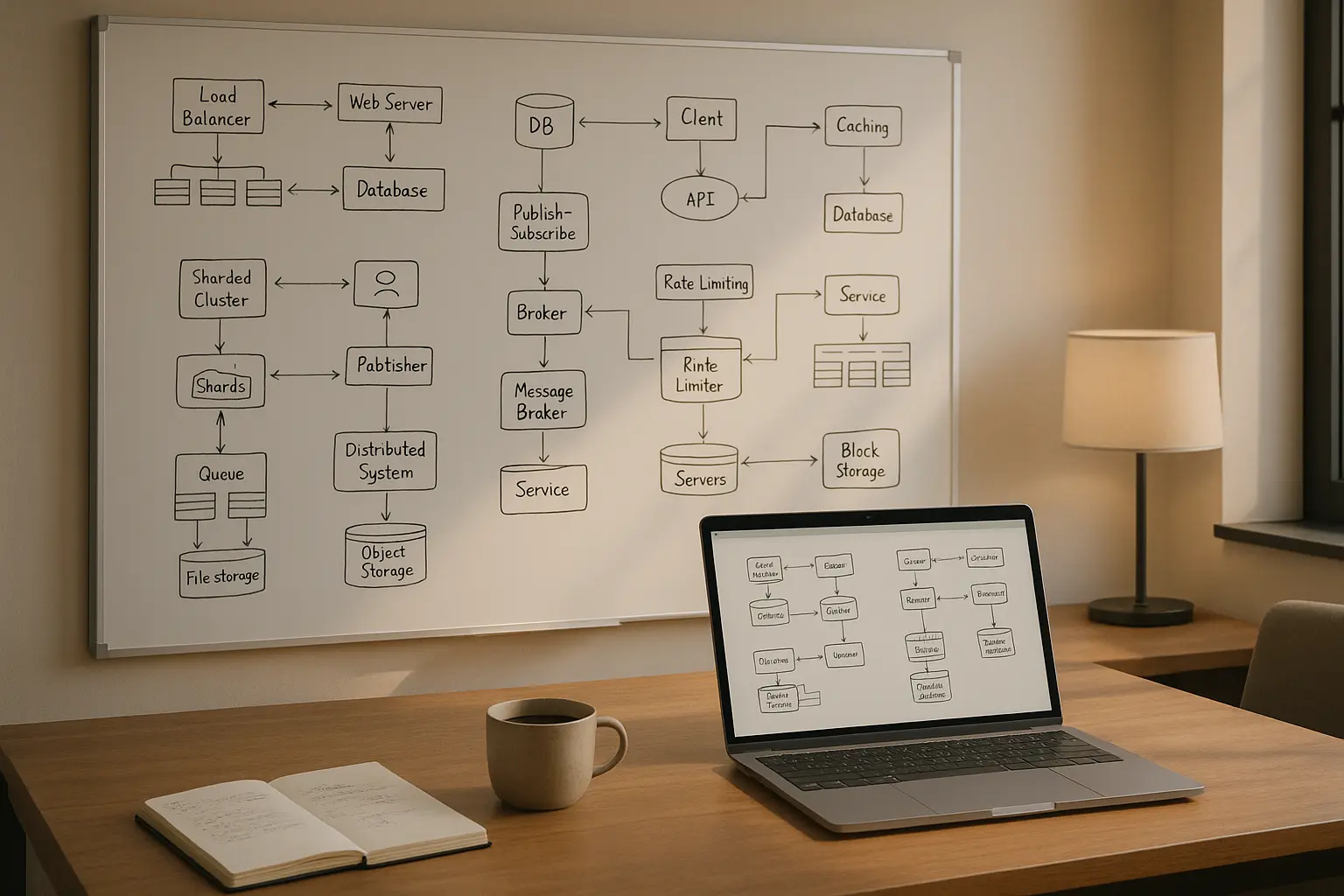
    Building city-scale high-load systems is not just an IT task — it directly impacts business stability and financial performance. When thousands or millions of users rely on a platform, any architectural weakness can lead to downtime, lost transactions, and revenue loss.

    City-level solutions include transportation platforms, logistics systems, payment services, marketplaces, government portals, and digital ecosystems. During peak hours, traffic can increase multiple times. If the system is not designed for scale, failures occur exactly when business demand is highest.

    What happens without proper architecture:

    • Lost transactions and customers
    • Decreased user trust
    • Rising maintenance and infrastructure costs
    • Inability to scale the product

    Our goal is to design systems where growth in traffic supports business growth instead of creating risks.

    Who This Service Is For

    • Startups — planning rapid growth and market expansion
    • Mid-sized businesses — scaling beyond legacy or monolithic systems
    • Enterprise projects — internal platforms, ERP, logistics, and customer services
    • Companies entering international markets — requiring stable global infrastructure

    Our Approach: Architecture First

    For city-scale platforms, architecture defines long-term success. We don’t just develop software — we design scalable systems aligned with business growth.

    • Scalable architecture designed for peak loads
    • Reduced operational and technical risks
    • Transparent processes and predictable timelines
    • Technology decisions aligned with business metrics: performance, reliability, and cost efficiency

    Development Stages for High-Load Systems

    1. Business Analysis and Requirements

    • Defining business goals and KPIs
    • Estimating expected traffic and workload
    • Analyzing user scenarios

    2. Architecture Design

    • Choosing architecture approach (monolith or microservices)
    • Designing fault tolerance
    • Planning horizontal scalability

    3. UX/UI and Prototyping

    • Designing user journeys
    • Creating interactive prototypes

    4. Development

    • Agile iterative delivery
    • Code quality control and reviews

    5. Testing

    • Functional testing
    • Load and stress testing
    • Reliability validation

    6. DevOps and Deployment

    • CI/CD automation
    • Auto-scaling infrastructure
    • Monitoring and logging

    7. Support and Evolution

    • Performance optimization
    • Infrastructure scaling
    • Continuous feature development

    Why IT Projects Fail — and How We Prevent It

    • Lack of system architecture
    • Inexperienced vendors without high-load expertise
    • Poor business analysis and unclear requirements
    • Growing technical debt
    • Missed deadlines
    • No DevOps or monitoring practices

    We reduce these risks through architectural planning, load modeling, and DevOps implementation from the earliest stages.

    Our Experience

    Our team has delivered dozens of projects for international clients. We build platforms that support thousands of concurrent users and operate reliably under continuous load.

    • System performance increased by 3–5x
    • Infrastructure costs reduced through optimization
    • Improved stability and availability
    • Products prepared for international scaling

    Each solution is designed based on business goals, usage patterns, and projected growth.

    Technologies and Their Business Value

    Backend

    • Node.js (NestJS) — high performance and faster time-to-market
    • Microservices architecture — independent scaling and flexibility
    • REST / GraphQL APIs — seamless integrations

    Frontend

    • React — fast and stable user interfaces
    • Next.js — improved performance and SEO

    Database

    • PostgreSQL — reliable data storage
    • Redis — caching and performance acceleration

    DevOps and Cloud

    • Docker, Kubernetes — automated scaling and resilience
    • CI/CD — fast and safe releases
    • AWS / Google Cloud / Azure — global availability and high reliability

    What Affects Development Cost

    • Functional complexity
    • Number of integrations
    • Project timeline
    • Team size
    • Infrastructure requirements
    • Performance and scalability expectations

    We always evaluate projects based on long-term total cost of ownership to avoid unnecessary future expenses.

    Why Work With Us

    • Architecture-driven development approach
    • Transparent communication and reporting
    • Strict timeline and budget control
    • DevOps automation and infrastructure management
    • Scalable and reliable solutions
    • Experience with international projects

    Let’s Discuss Your Project

    If you are planning to launch or scale a platform, the right architecture from the start is critical. Contact us for a technical consultation — we will assess risks and propose the optimal solution for your business.


    How many users can the system support?
    The system is designed based on projected load and can scale horizontally as the number of users grows.
    Can you scale an existing system?
    Yes, we perform architecture audits and modernize existing systems without full redevelopment whenever possible.
    Why choose microservices architecture?
    It allows independent scaling of system components and improves overall reliability.
    How long does development take?
    The timeline depends on system complexity and load requirements. After analysis, we provide a detailed roadmap.
    Do you work with international clients?
    Yes, our team has experience delivering and supporting solutions for clients worldwide.
  • Smart City Platforms: What Modules Do They Include in Practice

    Smart City Platforms: What Modules Do They Include in Practice

    Smart City platforms are becoming a key tool for managing urban infrastructure and public services. Without a unified digital system, cities and large infrastructure operators face fragmented data, high operational costs, slow decision-making, and budget losses.

    In practice, Smart City implementation is not a single product but a comprehensive modular IT platform that integrates transport, utilities, public safety, energy, and citizen services into a unified ecosystem. A well-designed architecture allows the system to scale to new districts, connect additional services, and reduce operational expenses.

    A Smart City platform is an investment in efficiency: infrastructure maintenance costs can be reduced by up to 20–30%, citizen request processing is accelerated, and governance transparency is improved.

    Who Needs Smart City Platform Development

    Modular Smart City solutions are востребованы not only by government organizations. Such platforms are widely used in corporate and infrastructure projects.

    • Startups in IoT, UrbanTech, and GovTech
    • Mid-sized businesses and infrastructure system integrators
    • Enterprise projects: developers, property management companies, energy providers, and telecom operators
    • Organizations entering international markets with digital urban solutions

    The key objective is to build a scalable platform capable of handling growing loads and supporting integrations with external systems.

    Core Modules of a Smart City Platform

    Modern Smart City systems are built using a modular approach. This allows phased implementation and rapid expansion of functionality.

    1. City Operations Center

    • Real-time monitoring of all city systems
    • Dashboards and analytics
    • Incident management

    2. Smart Utilities

    • Resource metering (water, heating, electricity)
    • Leak and аварий monitoring
    • Digital service requests and maintenance

    3. Intelligent Transport

    • Traffic analysis and smart traffic light control
    • Public transport monitoring
    • Parking and payment systems

    4. Public Safety

    • Integration with video surveillance systems
    • Event and incident detection
    • Centralized emergency service coordination

    5. Citizen Portal and Mobile App

    • Requests and service tickets
    • Utility payments
    • Notifications and alerts

    6. IoT Platform

    • Device and sensor connectivity
    • Telemetry collection and processing
    • Remote equipment management

    The modular approach reduces implementation risks and allows launching an MVP within a few months.

    Our Approach to Smart City Development

    Smart City projects require strong architectural thinking. The main focus is not on interfaces but on system stability and scalability.

    • Microservices architecture design
    • Scalability for increasing loads and new modules
    • High availability and redundancy
    • API-based integrations and data bus implementation
    • Transparent development processes and timeline control

    This approach reduces technical debt and minimizes total cost of ownership in the long term.

    Smart City Development Stages

    1. Business Analysis
      • Defining goals and KPIs
      • Requirements and integration analysis
    2. Architecture Design
      • Microservices architecture
      • Data model design
      • Integration architecture
    3. UX/UI Design and Prototyping
    4. Module Development
    5. Testing and Load Testing
    6. DevOps and Cloud Deployment
    7. Support and System Evolution

    Why Smart City Projects Fail

    • Lack of system architecture
    • Monolithic solutions without scalability
    • Poor requirements analysis
    • Inexperienced contractors without infrastructure expertise
    • Missed deadlines and budget overruns
    • Lack of DevOps and automation

    We mitigate these risks through architectural planning, phased delivery, and CI/CD implementation.

    Our Experience in Smart City Solutions

    Our team has delivered dozens of complex IT projects for enterprise and international clients. In UrbanTech and IoT projects, we achieve measurable results:

    • 3–5x faster data processing
    • Reduced infrastructure costs through cloud optimization
    • Improved system performance under increasing load
    • MVP launch within 3–6 months

    Each project is delivered using a case-based approach focused on business outcomes.

    Technologies and Their Business Value

    Backend

    • Node.js (NestJS) — high performance and faster time-to-market
    • Microservices architecture — independent module scaling
    • REST / GraphQL APIs — flexible integrations

    Frontend

    • React — stable and scalable interfaces
    • Next.js — high performance and SEO-friendly portals

    Databases

    • PostgreSQL — reliable data storage
    • Redis — caching and performance optimization

    DevOps

    • Docker — environment standardization
    • Kubernetes — auto-scaling and high availability
    • CI/CD — fast and secure releases

    Cloud

    • AWS / Google Cloud / Azure — flexibility, security, and infrastructure cost optimization

    What Affects Development Cost

    • Number of modules and functional complexity
    • Integrations with external systems and hardware
    • Required launch timeline
    • Team size and project phases
    • Cloud infrastructure requirements
    • Scalability and high availability needs

    We design architecture with future growth in mind to avoid costly rework.

    Why Choose Us

    • Architecture-driven approach to complex systems
    • Transparent communication and reporting
    • Timeline and budget control
    • DevOps and process automation
    • Scalable solutions without technical debt
    • Experience with international projects and integrations
    Planning to launch a Smart City platform?
    Leave a request — we will provide a consultation, assess the architecture, and propose the optimal development model considering scalability and integrations.

    FAQ

    How long does Smart City platform development take?
    MVP launch takes 3–6 months. A full system is implemented in phases over 6–18 months depending on the number of modules.
    Can modules be implemented gradually?
    Yes. Modular architecture allows independent deployment of services and gradual expansion of functionality.
    Does the platform support IoT integration?
    Yes. The platform supports sensors, equipment, and external systems via APIs and IoT gateways.
    Can the system scale to multiple cities?
    Yes. Cloud infrastructure and microservices architecture allow scaling across regions and countries.
    How is data security ensured?
    Cloud security standards, encryption, access control, and continuous monitoring are implemented.
  • Why IT Projects Fail After Launch and How We Prevent It

    Why IT Projects Fail After Launch and How We Prevent It

    Turnkey IT Project Development: Building Scalable and Reliable Digital Products

    For businesses, launching a digital product is not the final step — it is the beginning of operational responsibility. If a turnkey IT project is delivered without proper architecture planning and DevOps processes, the system may start to fail within the first months: response time increases, errors appear, and maintenance costs grow.

    Every failure leads to direct losses: reduced conversion, customer churn, employee downtime, and reputational risks. As the load increases, these issues quickly turn into expensive system rework.

    The main goal of a professional IT company is to build a solution that operates reliably after launch, scales without rewriting, and reduces long-term business costs.

    Who Needs Architecture-Driven Development

    • Startups that need fast time-to-market without technical debt
    • Mid-sized businesses automating operations and sales
    • Enterprise projects with high load and complex logic
    • Companies entering international markets
    • Product teams planning rapid scaling

    Our Approach: Designing for Stability and Growth

    We treat IT project development as an investment process. Our focus is on business results, predictable timelines, and risk reduction.

    • Architecture designed for growing load
    • Modular structure and microservices approach
    • Transparent task and timeline management
    • DevOps and automated releases
    • Technical debt control

    Stages of Turnkey IT Project Development

    1. Business Analysis

    • Product goals and KPIs
    • User scenarios and requirements
    • Technical specifications

    2. Architecture Design

    • Technology stack selection
    • Scalable system architecture
    • Integration planning

    3. UX/UI and Prototyping

    • User flow mapping
    • Interactive prototypes

    4. Development

    • Backend and Frontend implementation
    • Third-party service integrations

    5. Testing

    • Functional testing
    • Load and performance testing

    6. DevOps and Deployment

    • CI/CD pipelines
    • Containerization
    • Monitoring and logging

    7. Support and Scaling

    • Updates and improvements
    • Performance optimization
    • System scaling

    Why IT Projects Fail After Launch

    • Lack of system architecture
    • Insufficient business analysis
    • Choosing a contractor without product expertise
    • Accumulated technical debt
    • No DevOps or automation
    • Ignoring load testing

    Technologies and Their Business Value

    Backend

    • Node.js (NestJS) — fast development and scalability
    • Microservices architecture — independent module evolution
    • REST / GraphQL — flexible integrations

    Frontend

    • React — stable and high-performance interfaces
    • Next.js — SEO optimization and fast loading

    Databases

    • PostgreSQL — reliable data storage
    • Redis — performance improvement through caching

    DevOps and Cloud

    • Docker and Kubernetes — scaling without downtime
    • CI/CD — fast and secure releases
    • AWS, Google Cloud, Azure — resilient infrastructure

    What Affects Development Cost

    • Functionality complexity
    • Number of integrations
    • Performance requirements
    • Time-to-market deadlines
    • Team size
    • Cloud infrastructure
    • Scalability requirements

    Let’s Discuss Your Project

    If you are planning to launch or scale a digital product, we will help design the architecture, assess risks, and prepare an implementation roadmap. Contact us to get a consultation and a preliminary project estimate.

    FAQ

    How long does development take?
    An MVP can be launched within 1–3 months. Full-scale systems and high-load platforms typically take 3–6 months.
    Can you improve an existing project?
    Yes. We perform a technical audit, optimize the architecture, and improve performance without interrupting business operations.
    Do you work with international clients?
    Yes, we have experience developing and supporting projects for companies from different countries, including international SaaS platforms and enterprise systems.
  • Turnkey Development of Complex IT Projects in Uzbekistan | Launching International IT Solutions

    Turnkey Development of Complex IT Projects in Uzbekistan | Launching International IT Solutions

    Complex IT Project Development in Uzbekistan Turnkey

    Developing complex IT projects in Uzbekistan has become a strategic growth tool for businesses. Companies are launching digital platforms, SaaS solutions, marketplaces, and enterprise systems to scale in local and international markets. However, most initiatives face the same challenge — timelines expand, budgets increase, and the final result does not meet expectations.

    The main reason is the lack of an engineering approach, weak system architecture, and poor development management. We help companies launch complex IT solutions turnkey — from idea to a scalable platform operating in Uzbekistan and globally.

    Business Challenges When Launching IT Projects

    Based on our experience, clients often face the following risks:

    • Lack of clear technical vision
    • Dependency on a single developer or contractor
    • Uncontrolled budget growth
    • Poor system performance under increasing load
    • Inability to scale to other markets
    Key risk: if the architecture is designed incorrectly, fixing it later may cost more than rebuilding the system from scratch.

    Our Approach to Complex IT Projects

    We use an engineering approach focused on business outcomes, not just writing code.

    • Business model and goal analysis
    • Scalable system architecture design
    • Load and user growth planning
    • DevOps and process automation
    • Transparent timeline and budget estimation

    This approach enables faster project launches and significantly reduces technical and financial risks.

    Turnkey IT Project Development Stages

    1. Discovery & Analysis

    • Requirements analysis
    • Feature definition
    • Product roadmap creation

    2. System Architecture

    • Technology stack selection
    • Database design
    • Scalability and security planning

    3. MVP Development

    • Fast launch of core functionality
    • Business hypothesis validation

    4. Full-Scale Development

    • Frontend and backend development
    • Integration with external services and APIs

    5. DevOps & Launch

    • Docker and Kubernetes setup
    • CI/CD pipeline implementation
    • Monitoring, logging, and support

    Why IT Projects Fail

    • Development without proper architecture
    • Lack of technical leadership
    • Unrealistic deadlines
    • Incorrect technology choices
    • Absence of DevOps processes

    We eliminate these risks through engineering control and technical expertise at every stage.

    Technologies We Use

    • Backend: Node.js, NestJS
    • Frontend: React, Next.js
    • Databases: PostgreSQL, Redis
    • Containerization: Docker
    • Orchestration: Kubernetes
    • Cloud: AWS, Google Cloud

    This technology stack allows us to build high-load systems ready for international scaling and long-term growth.

    Experience & Results

    • MVP launch within 1–3 months
    • Platforms with 100,000+ users
    • SaaS and marketplace development
    • Integration with payment systems and ERP
    • Clients from Uzbekistan, CIS, and Europe
    We focus on long-term value: the system must operate reliably for 3–5 years, not just at launch.

    Development Cost: What Affects the Price

    The cost of IT project development depends on several factors:

    • Feature complexity
    • Number of integrations
    • Security and compliance requirements
    • Expected system load
    • Time-to-market goals

    Why Companies Choose Us

    • Engineering approach instead of quick coding
    • Transparent estimates and planning
    • Experience with international projects
    • Full-cycle development: from idea to support
    • Modern stack and DevOps practices
    Get a free project estimate.
    We will analyze your idea and provide architecture recommendations, timeline, and budget — with no obligations.

    FAQ

    How long does it take to launch an IT project?
    An MVP can be launched in 4–12 weeks. Full-scale platforms typically take 3 to 9 months depending on complexity.
    Do you work with international projects?
    Yes. We develop solutions for clients from Uzbekistan, the CIS, Europe, and other regions.
    Can we start with an MVP?
    Yes. Launching an MVP helps validate business hypotheses and reduce risks.
    Do you provide support after launch?
    Yes. We offer ongoing support, DevOps services, and system scaling as your business grows.
    How can I get a project estimate?
    Send us a brief description of your idea. We will analyze your requirements and provide architecture recommendations, timeline, and budget.
  • Turnkey Development or IT Outsourcing: What Should a Business Choose?

    Turnkey Development or IT Outsourcing: What Should a Business Choose?

    Turnkey Development vs IT Outsourcing: What Should a Business Choose?

    Companies planning to launch a digital product often choose between two models: turnkey development and traditional IT outsourcing. Despite the apparent similarity, these approaches differ fundamentally in responsibility, management, and final results.

    Choosing the wrong model can lead to:

    • project delays;
    • budget overruns;
    • technical debt;
    • unstable product performance;
    • dependency on contractors.
    Outsourcing provides resources. Turnkey development delivers a finished solution and business results.

    What is traditional IT outsourcing?

    IT outsourcing is a model where a company hires external specialists to perform specific tasks.

    • hourly or capacity-based payment;
    • project management on the client side;
    • responsibility for architecture and results lies with the business;
    • the contractor provides developers, not a finished product.

    This model works best for companies that already have a strong internal IT team and project management expertise.

    What turnkey development includes

    Turnkey software development covers the full product lifecycle — from idea analysis to launch and ongoing support.

    • business analysis and Discovery;
    • UX/UI design;
    • backend and frontend development;
    • testing and quality assurance;
    • DevOps and deployment;
    • support and further development.

    Key differences between the models

    • Responsibility — fully on the contractor in turnkey projects;
    • Management — no operational control required from the business;
    • Risks — predictable timelines and budget;
    • Focus — the company concentrates on business growth.
    If a company lacks internal technical expertise, turnkey development can reduce project risks by 30–50%.

    Turnkey development stages

    1. Discovery

    • business goals analysis;
    • requirements definition;
    • timeline and budget estimation.

    2. System design

    • system architecture;
    • prototyping;
    • scalability planning.

    3. Development

    • Node.js (backend);
    • React (frontend);
    • PostgreSQL (database).

    4. DevOps & Launch

    • Docker;
    • Kubernetes;
    • CI/CD and monitoring.

    Why outsourcing projects often fail

    • unclear responsibility boundaries;
    • frequent developer rotation;
    • lack of architectural control;
    • incomplete requirements;
    • growing budget and timelines.

    Our experience

    • 50+ completed projects;
    • MVP delivery in 2–4 months;
    • 95% of projects launched on time;
    • up to 30% faster time-to-market.

    Turnkey development cost

    The final price depends on:

    • feature complexity;
    • integrations;
    • system load and architecture;
    • deadlines;
    • platforms.
    In the long term, turnkey development is more cost-effective due to fewer reworks and reduced technical debt.

    FAQ

    What should I choose: outsourcing or turnkey development?
    If you don’t have an in-house technical team, turnkey development is the best option. It reduces risks and guarantees results.
    How long does it take to launch an MVP?
    On average, 2 to 4 months depending on the project complexity.
    Who owns the source code?
    After project completion, all source code and access rights are transferred to the client.
    Can the system be scaled?
    Yes. The architecture is designed from the start to support growing load and future feature expansion.
    How can I get a project estimate?
    Submit a request — we will prepare a free cost and timeline estimate within 24 hours.

    Get a free preliminary project estimate

    Describe your idea, and we will prepare a free architecture concept, timeline, and budget. This will help you make an informed decision and reduce launch risks.

  • Engineering Approach in IT Projects: Why Architecture Matters More Than Design

    Engineering Approach in IT Projects: Why Architecture Matters More Than Design

    Engineering Approach in IT Projects: Why Architecture Matters More Than Design

    Modern IT development for business often starts with visual concepts and user interface design. Companies try to present a prototype as quickly as possible, investing in design and marketing, but overlook a critical element — system architecture. As a result, the product looks modern but cannot handle high load, works slowly, and requires constant improvements.

    An engineering approach follows the opposite logic: architecture first, design second. Architectural decisions determine system stability, scalability, security, and long-term maintenance costs.

    Architecture is the foundation of any IT product. If the foundation is weak, even a beautiful interface will not save the project from technical debt and growing expenses.

    Why architecture is critical for business

    Architecture directly affects key business metrics:

    • System performance and speed
    • Stability as the number of users grows
    • Ability to integrate with CRM, ERP, and external services
    • Speed of launching new features
    • Infrastructure and maintenance costs

    Without proper architectural planning, companies face limitations within 6–12 months after launch: the system cannot scale, each new feature takes weeks to implement, and the budget starts growing faster than the business.

    What the engineering approach includes

    Professional custom software development begins with analysis and system design:

    • Business process and product goal analysis
    • Load scenario planning
    • Architecture design (monolith, microservices, or hybrid)
    • Database structure modeling
    • API and integration planning
    • Security and fault-tolerance design
    • Technical documentation and roadmap creation

    Only after this stage do UX/UI design and interface development begin.

    Development stages with an architectural focus

    • Discovery — requirements and business analysis
    • System Design — architecture, interaction schemes, technology selection
    • Development — backend, frontend, APIs
    • DevOps — infrastructure setup, CI/CD
    • Testing — functional and load testing
    • Release and support

    Why IT projects fail

    • Focus on design instead of system logic
    • Lack of an architecture phase
    • Incorrect technology choices
    • Ignoring future load growth
    • Absence of DevOps processes
    • Accumulation of technical debt

    In most cases, the system has to be rewritten within 1–2 years, increasing the budget by 2–3 times.

    Technologies for scalable IT solutions

    • Node.js — high-performance backend for APIs and services
    • React — fast and user-friendly interfaces
    • PostgreSQL — reliable data management
    • Docker — containerization and environment stability
    • Kubernetes — automatic scaling and fault tolerance

    This stack enables systems to operate reliably under high load and scale easily as your business grows.

    Experience and results

    • 50+ completed IT projects
    • Up to 40% budget savings through architectural planning
    • 99.9% production uptime
    • Systems handling 100,000+ users
    • Up to 30% faster development thanks to an engineering approach

    Development cost: how architecture reduces expenses

    • Minimal rework
    • Predictable timelines
    • Optimized infrastructure
    • Lower maintenance costs
    • No critical technical debt

    In the long term, a systematic approach saves up to 20–40% of the budget.

    Why choose us

    • Engineering approach to every project
    • Experience in B2B systems and corporate platforms
    • Full-cycle development: from idea to support
    • Expertise in high-load and cloud solutions
    • Transparent timelines and cost estimation

    Quick preliminary project assessment within 24 hours

    FAQ

    Why is an architecture phase needed before development?
    Architecture reduces risks, speeds up development, and prevents costly rework after launch.
    When is a microservices architecture required?
    It is necessary for complex systems, high-load environments, and projects that require independent scaling of components.
    Can an existing project be improved?
    Yes, we conduct architectural audits and create optimization plans without interrupting business operations.
    How long does the design phase take?
    On average, 1 to 3 weeks depending on system complexity.
    How quickly can I get a project estimate?
    A preliminary architecture and commercial proposal are provided within 24 hours.
  • How We Develop Digital Platforms from Scratch: From Idea to Launch

    How We Develop Digital Platforms from Scratch: From Idea to Launch

    Digital Platform Development for Business: From Idea to Scalable Product

    Businesses increasingly face digital transformation challenges: launching online services, automating processes, building SaaS solutions, or creating their own IT products. However, digital platform development is not just programming — it is a strategic process that directly impacts business growth speed and long-term stability.

    OneDev develops turnkey digital platforms for companies worldwide — from idea analysis to product launch and scaling.

    We create not just software, but stable and scalable systems ready for user growth and high workloads.

    When a Business Needs a Digital Platform

    • Launching a SaaS service or online product
    • Automation of internal processes
    • Replacing outdated systems
    • Business scaling
    • Creating a new revenue stream

    How Digital Platform Development Works

    1. Analysis and Strategy

    • Business goals analysis
    • Defining core functionality
    • Timeline and risk estimation

    2. Architecture Design

    • UX/UI prototyping
    • Scalable system architecture
    • Integration planning

    3. MVP Development

    An MVP allows you to enter the market within 1–3 months and reduce risks.

    4. Scaling

    • Feature expansion
    • Performance optimization
    • Handling growing workloads

    Why Projects Go Over Budget

    • Lack of scalable architecture
    • Trying to implement everything at once
    • Unclear requirements
    • Unpreparedness for user growth
    Phased development and MVP launch help control timelines, risks, and budget.

    Our Experience

    • 20+ production projects
    • SaaS and enterprise systems
    • Platforms with tens of thousands of users
    • Full-cycle development and support

    Technologies

    • Node.js, Python
    • React, Vue
    • PostgreSQL, Redis
    • Docker, Kubernetes
    • AWS, Google Cloud, Azure

    Development Cost

    Each project is unique. The cost is calculated individually after analyzing business goals, functionality, and system requirements.

    Why Choose OneDev

    • Turnkey development
    • Scalable architecture
    • International experience
    • Transparent processes
    • Post-launch support
    If you are planning to launch a digital product, we will review your project requirements and prepare a preliminary implementation plan.

    Frequently Asked Questions

    How long does digital platform development take?
    Timelines depend on project complexity. An MVP is typically developed within 1–3 months. A full-scale platform usually takes from 3 to 6 months or more.
    Can we start with a minimal product version?
    Yes. Launching an MVP allows you to validate your business idea, reduce risks, and gradually evolve the system based on real user data.
    Do you work with international clients?
    Yes, the OneDev team works with companies worldwide and provides convenient remote communication at every project stage.
    How is the development cost calculated?
    The cost is determined individually after analyzing requirements, functionality, integrations, and architectural complexity.
    What happens after the platform launch?
    We provide support, monitoring, feature development, and system scaling as your user base and workload grow.
  • Digital Transport Systems and Platforms: Development and Operational Experience

    Digital Transport Systems and Platforms: Development and Operational Experience

    Modern urban transport is no longer just vehicles and routes. It is a complex digital infrastructure that processes movement data, schedules, load levels, and vehicle status in real time.

    At OneDev, we build systems that operate in real transport environments: hundreds and thousands of vehicles, continuous location updates, telemetry streams, and operational decision-making by dispatchers. The primary goal of such platforms is stable performance under load and reliable data for effective management.

    Below is a practical overview of how transport platforms operate in production environments.

    What a Modern Transport Platform Consists Of

    A production transport system includes several interconnected layers.

    GPS and Geolocation

    • • vehicle location updates every few seconds
    • • route tracking and schedule adherence
    • • detection of delays, deviations, and idle time

    Telemetry and Onboard Data

    • • speed and driving parameters
    • • equipment status monitoring
    • • event and incident signals

    Dispatch Management

    • • schedule control and performance tracking
    • • operational vehicle management
    • • incident handling and route adjustments

    Analytics

    • • route and travel time reports
    • • load and efficiency analysis
    • • data-driven network optimization and planning
    The value of a transport platform is defined not by the map interface, but by the accuracy of data and the stability of 24/7 processing.

    Real-Time Data Processing

    Transport systems generate continuous data streams: locations, telemetry, and status updates. In large deployments, this can reach tens of thousands of messages per minute.

    To ensure reliable operation, platforms use:

    • • message queues and brokers
    • • asynchronous processing
    • • stream data processing
    • • high-speed databases and caching

    The system must be able to:

    • • process data with minimal latency
    • • operate under unstable network conditions
    • • handle duplicates and missing data correctly
    • • scale as the fleet grows

    Operator Dashboards in Practice

    Dispatcher interfaces are the core operational tool of a transport platform.

    Typical elements include:

    • • real-time vehicle map
    • • visual indicators for schedule deviations
    • • incident and alert notifications
    • • filters by routes, depots, or vehicle groups
    • • movement history and event logs

    In production environments, these dashboards are used continuously. Performance, stability, and clear visualization are critical for operational efficiency.

    Why Transport Systems Are High-Load Environments

    Transport platforms operate under constant load conditions.

    • • hundreds or thousands of active vehicles
    • • location updates every 5–30 seconds
    • • simultaneous work of dispatchers and analysts
    • • integration with external systems

    Additional challenges include:

    • • unstable mobile connectivity
    • • sudden traffic spikes
    • • large volumes of historical data
    • • strict availability requirements

    In practice, a transport platform is a continuous event-processing system.

    Common Development Mistakes

    Focusing on visualization instead of data reliability

    Maps and interfaces provide little value without stable telemetry processing.

    No scalability planning

    Systems designed for dozens of vehicles often fail when the fleet grows to hundreds.

    Ignoring unstable connectivity

    Without buffering and retry mechanisms, data loss becomes inevitable.

    Lack of operational monitoring

    Without infrastructure monitoring, system stability cannot be ensured.

    Our Approach to Transport System Development

    At OneDev, transport platforms are designed as operational infrastructure rather than standalone applications.

    • • architecture designed for real operational load
    • • stream processing and message queue architecture
    • • resilience to network interruptions and delays
    • • scalable telemetry storage
    • • dispatcher interfaces built for daily operational use
    • • integration with external systems and onboard equipment
    • • built-in monitoring and operational tools

    This approach ensures stable system performance as the fleet size and number of users grow.

    Key Practical Conclusions

    • • A transport platform is a real-time data processing system
    • • The main complexity lies in data volume and operational scale
    • • Reliability is more important than interface features
    • • The architecture must account for unstable connectivity
    • • The system should be designed for growth from the beginning
    Experience shows that a successful transport platform is not just a map with moving vehicles, but a reliable infrastructure for transport management. Such systems must be designed for continuous operation, high load, and long-term use from the start.
  • Mobile Application Development of Any Complexity: Production Experience and Operational Approach

    Mobile Application Development of Any Complexity: Production Experience and Operational Approach

    Mobile applications are often perceived as standalone products or user interfaces. In real projects, they are part of a larger digital ecosystem that includes backend services, integrations, and operational infrastructure.

    At OneDev, we work with production applications that support real user workflows, interact with external systems, and operate under continuous load. The primary goal is not to demonstrate functionality, but to ensure stable performance as the user base grows and business requirements evolve.

    Below is a practical perspective on mobile development from the standpoint of architecture, integrations, and long-term operation.

    Types of Mobile Applications in Real Projects

    In production environments, mobile solutions typically fall into several categories.

    Service Applications

    • • customer self-service and personal accounts
    • • payment and service management functions
    • • notifications, status tracking, and user interactions

    Platform Solutions

    • • marketplaces and digital ecosystems
    • • multi-role and multi-scenario applications
    • • deep integration with external services

    Enterprise Applications

    • • internal tools for employees
    • • mobile access to business processes
    • • field operations and equipment interaction

    Regardless of the category, the main complexity lies not in the interface, but in business logic and integrations.

    What a Mobile Application Actually Consists Of

    A production mobile solution includes several architectural layers, not just the client interface.

    Mobile Client

    • • user interface and interaction logic
    • • local data storage
    • • offline and unstable network handling
    • • push notifications

    Backend Layer

    • • APIs and business logic
    • • authentication and access control
    • • transaction and operation processing
    • • secure data storage

    Infrastructure and Analytics

    • • error and crash monitoring
    • • performance tracking
    • • user event collection
    • • version management and release control
    • • scaling to support growing load
    In practice, a mobile application is an interface to a backend platform rather than an independent product.

    Cross-Platform vs Native Development

    The choice of technology should be driven by project requirements rather than development preferences.

    Cross-platform is appropriate when:

    • • development speed is critical
    • • a unified codebase is preferred
    • • device-level functionality is limited

    Native development is justified when:

    • • high performance is required
    • • deep integration with device capabilities is needed
    • • the application is expected to evolve long-term and scale significantly

    In production environments, the decision is based on architectural and operational considerations.

    Integrations as the Core of Functionality

    Most complex mobile applications interact with external systems.

    Typical integrations include:

    • • payment services and financial gateways
    • • CRM and enterprise APIs
    • • maps and geolocation services
    • • IoT devices and hardware
    • • notification and messaging platforms

    Integration challenges usually involve:

    • • handling errors and timeouts
    • • operating under unstable network conditions
    • • caching and retry mechanisms
    • • ensuring data security

    In practice, a significant portion of development effort is dedicated to integration logic.

    Post-Release Support and Operation

    The application launch is only the beginning of its lifecycle.

    Production environments require ongoing:

    • • crash and error monitoring
    • • performance analysis
    • • regular updates and version releases
    • • adaptation to new OS versions and device changes
    • • backend scaling and optimization

    Without continuous support, even well-built applications gradually lose stability and relevance.

    Our Approach to Mobile Development

    At OneDev, mobile applications are designed as part of a broader digital architecture.

    • • analysis of business processes and user scenarios
    • • client–server architecture design
    • • technology selection based on project requirements
    • • development with scalability and performance in mind
    • • integration with external services and systems
    • • monitoring and analytics setup
    • • phased releases and continuous improvement

    This approach allows us to build solutions that remain stable in production and evolve together with the product.

    Key Practical Conclusions

    • • A mobile application is part of a backend platform, not a standalone product
    • • The main complexity lies in business logic and integrations
    • • Technology choices should be driven by operational requirements
    • • Production applications require continuous support
    • • The architecture must account for user and load growth from the start
    Experience shows that a successful mobile application is not about launching an interface quickly, but about stable operation under real conditions. Such solutions should be designed as long-term digital infrastructure and become an integral part of the product ecosystem.
  • Website Development and Growth: Web, SEO, and SMM as Part of Digital Infrastructure

    Website Development and Growth: Web, SEO, and SMM as Part of Digital Infrastructure

    In many projects, a website is treated primarily as a design task — something modern, visually appealing, and similar to competitors. In practice, this approach rarely delivers measurable business results.

    At OneDev, we treat a website as an operational tool. It should attract targeted traffic, generate inquiries, and integrate into business processes. It is not a standalone marketing element, but a part of a company’s digital infrastructure.

    Below is a practical perspective on website development and growth from the standpoint of architecture, analytics, and long-term performance.

    A Website Is Not Design — It Is a Business Tool

    In production projects, the key question is not “How does the website look?” but “What problem does it solve?”

    A working website typically performs several core functions:

    • • attracting targeted traffic from search and external channels
    • • converting visitors into inquiries or leads
    • • providing clear and structured information about products or services
    • • collecting data about user behavior
    Design matters, but it delivers value only when supported by structure, analytics, and clear user logic.

    In practice, a well-structured and simple website often generates more results than a complex visual project without a clear interaction model.

    Modern Website Architecture

    A production website is a multi-layer system rather than a collection of pages.

    Frontend

    • • responsive user interface
    • • fast loading performance
    • • mobile optimization
    • • clear navigation and structure

    Backend

    • • content management
    • • form processing and lead handling
    • • integration with CRM and external services
    • • security and operational stability

    Analytics Layer

    • • web analytics systems
    • • conversion tracking
    • • event and user behavior monitoring
    • • data for continuous optimization

    Without analytics, a website remains a static product rather than a controllable business tool.

    SEO as Part of Development

    One of the most common mistakes is attempting to “add SEO” after the website is launched.

    In practice, search optimization must be built into the project from the beginning:

    • • page structure based on search demand
    • • logical hierarchy of sections and content
    • • technical optimization for speed and indexability
    • • proper metadata and structured markup

    This approach allows the website to grow organic traffic steadily without requiring structural redesign later.

    SMM as a Traffic Channel, Not an Objective

    Social media becomes effective only when integrated into the overall traffic system.

    A typical workflow looks like this:

    • • content in social channels attracts attention
    • • users move to the website
    • • the website converts interest into inquiries

    Without landing pages and analytics, SMM turns into activity without measurable business impact.

    For this reason, social media is treated as a traffic source, not as a standalone product.

    Common Mistakes When Ordering Websites and Promotion

    Focusing only on design

    Visual quality cannot compensate for poor structure or lack of analytics.

    No growth strategy

    The website is launched without a clear understanding of traffic sources or development plans.

    SEO after development

    Late optimization often requires restructuring the entire site.

    No measurable goals

    Without defined metrics, performance cannot be evaluated.

    Separating development and promotion

    When teams work independently, the website loses its integrity as a single system.

    Our Approach to Web Projects and Traffic Growth

    At OneDev, websites are treated as engineering systems that evolve together with the business.

    • • defining business goals and user scenarios
    • • designing structure with SEO in mind
    • • development focused on speed and reliability
    • • analytics setup and conversion tracking
    • • gradual content and structure expansion
    • • connection of external traffic channels, including SMM

    This approach allows us not only to launch a website, but to systematically increase its effectiveness based on real data.

    Key Practical Conclusions

    • • A website is a traffic and conversion tool, not just a visual product
    • • Architecture and analytics are more important than visual effects
    • • SEO should be built into development from the start
    • • SMM works only as part of an integrated traffic system
    • • Growth comes from continuous data-driven optimization
    Experience shows that an effective website is not a one-time project, but a managed digital infrastructure. Such systems must be designed with scalability, analytics, and long-term growth in mind.