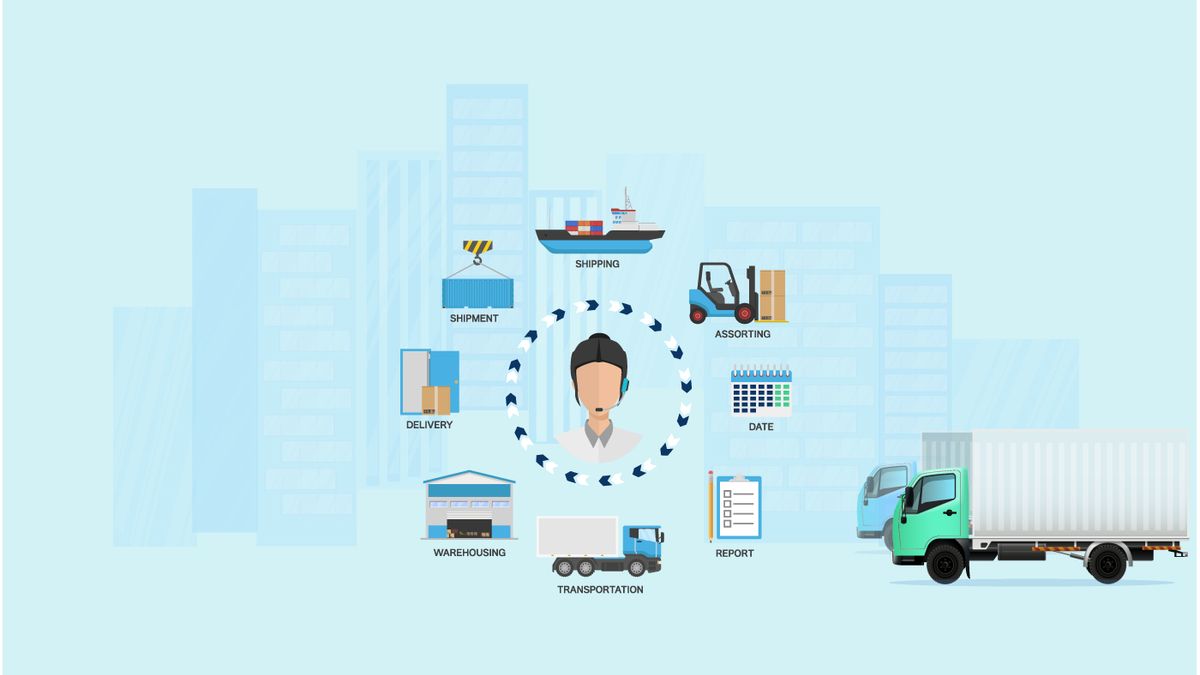
Many companies believe their logistics are working fine — deliveries are completed, operations continue, and customers receive orders.
However, a deeper analysis usually reveals the opposite: logistics are not managed — and that means money is being lost every day.
Common loss points:
- inefficient routes and fuel overspending;
- vehicle downtime and underutilization;
- manual decision-making and human errors;
- fragmented systems and lack of data;
- no forecasting capabilities.
Digital transport platforms (TMS) transform logistics from a chaotic process into a controlled, measurable, and scalable system.
Logistics Without TMS = Hidden Loss Zone
Without a transportation management system, logistics becomes a set of disconnected decisions:
- routes are built manually or based on experience;
- data is not centralized;
- there is no transparency;
- performance cannot be measured.
Key insight:
The problem is not that logistics is expensive. The problem is that it is not controlled.
What a Transportation Management System Actually Delivers
- real-time route optimization;
- vehicle load balancing;
- transport cost reduction;
- full operational transparency;
- analytics and forecasting.
Who Needs TMS the Most
- Startups — building logistics platforms
- Mid-sized businesses — reducing operational costs
- Enterprises — managing complex logistics
- International companies — scaling across markets
Why Most TMS Projects Fail
- automation of inefficient processes;
- lack of proper architecture;
- no unified data system;
- technical debt;
- absence of DevOps practices.
As a result, the system increases complexity instead of reducing costs.
Our Approach
- analyzing real business losses;
- designing scalable architecture;
- building data-driven systems;
- implementing DevOps from day one;
- ensuring long-term scalability.
Technologies That Drive Business Value
- Node.js / Microservices — scalability
- React / Next.js — fast interfaces
- PostgreSQL / Redis — data performance
- Docker / Kubernetes — reliability
- Cloud — infrastructure flexibility
What Affects Development Cost
- logistics complexity;
- number of integrations;
- system load;
- scalability requirements;
- project timelines.
The Real Question Is: How Much Are You Losing Without TMS?
If logistics impacts your profit, the absence of a transportation management system is already costing your business money.
Leave a request — we will calculate your losses and propose a solution.